
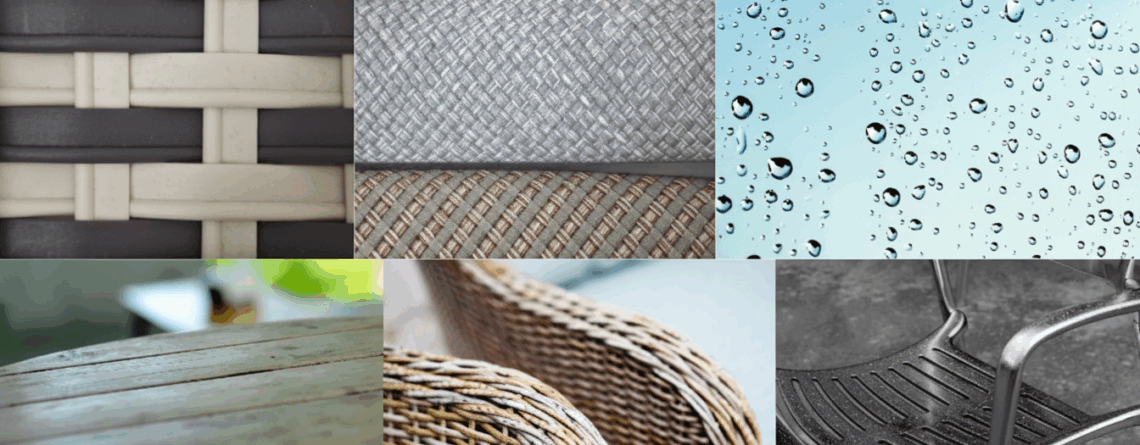
Outdoor furniture materials and their characteristics
When it comes to outdoor furniture, the materials used are just as important as the design itself. Materials that are suitable for outdoor use must be durable, weather-resistant, and able to withstand the elements. Here are some of the most common outdoor furniture materials used, along with their characteristics. Understanding these materials will help you make informed choices that align with your lifestyle and outdoor aesthetic. For instance, consider how different materials react to humidity, temperature changes, and sunlight exposure, as these factors greatly influence the longevity and appearance of your outdoor furniture.
When selecting outdoor furniture, understanding the preferred outdoor furniture material is key. The right outdoor furniture material will enhance your outdoor space.
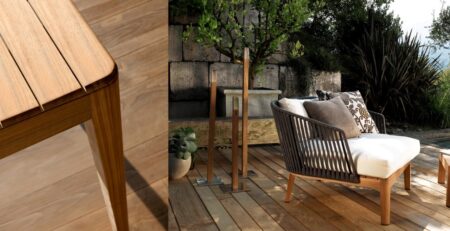
Wood: Wood is a classic material for outdoor furniture, offering a natural and timeless look. However, not all wood is suitable for outdoor use. Types like teak and cedar are excellent choices for outdoor settings due to their natural oils that resist moisture and insects, while other woods, like pine, can be prone to rotting, splitting, or warping when exposed to moisture and sunlight. It’s essential to treat wood furniture with sealants or stains to enhance its durability and to clean it regularly to prevent mildew and discoloration.
Choosing the right outdoor furniture material is essential for durability, and the outdoor furniture material you select will influence maintenance needs.
Choosing the right outdoor furniture material is crucial for ensuring the longevity and aesthetic appeal of your outdoor space. Factors such as climate and exposure to sunlight play a significant role in this decision. For instance, if you live in an area with high humidity or frequent rain, selecting materials with better water resistance will be beneficial. Additionally, consider how much maintenance you are willing to commit to preserve the look and functionality of your furniture. Regular upkeep, including cleaning and seasonal storage, can greatly extend the life of your outdoor items.
Evaluating different outdoor furniture material options can help you find the best fit for your lifestyle and environment.
Understanding Outdoor Furniture Material
Metal: Metal furniture is strong and durable, making it a popular choice for outdoor use. Common metals used in outdoor furniture include aluminum, wrought iron, and steel. Aluminum is lightweight and resistant to rust, making it easy to move and maintain. Wrought iron, while heavier, offers a classic aesthetic and can withstand the elements if properly treated. Steel furniture often requires protective coatings to prevent rust, but it can provide a sleek, modern look. Consider incorporating metal furniture that complements other materials in your outdoor space for a cohesive design.
Metal is a viable outdoor furniture material, and investing in a good quality outdoor furniture material can enhance the look of your space.
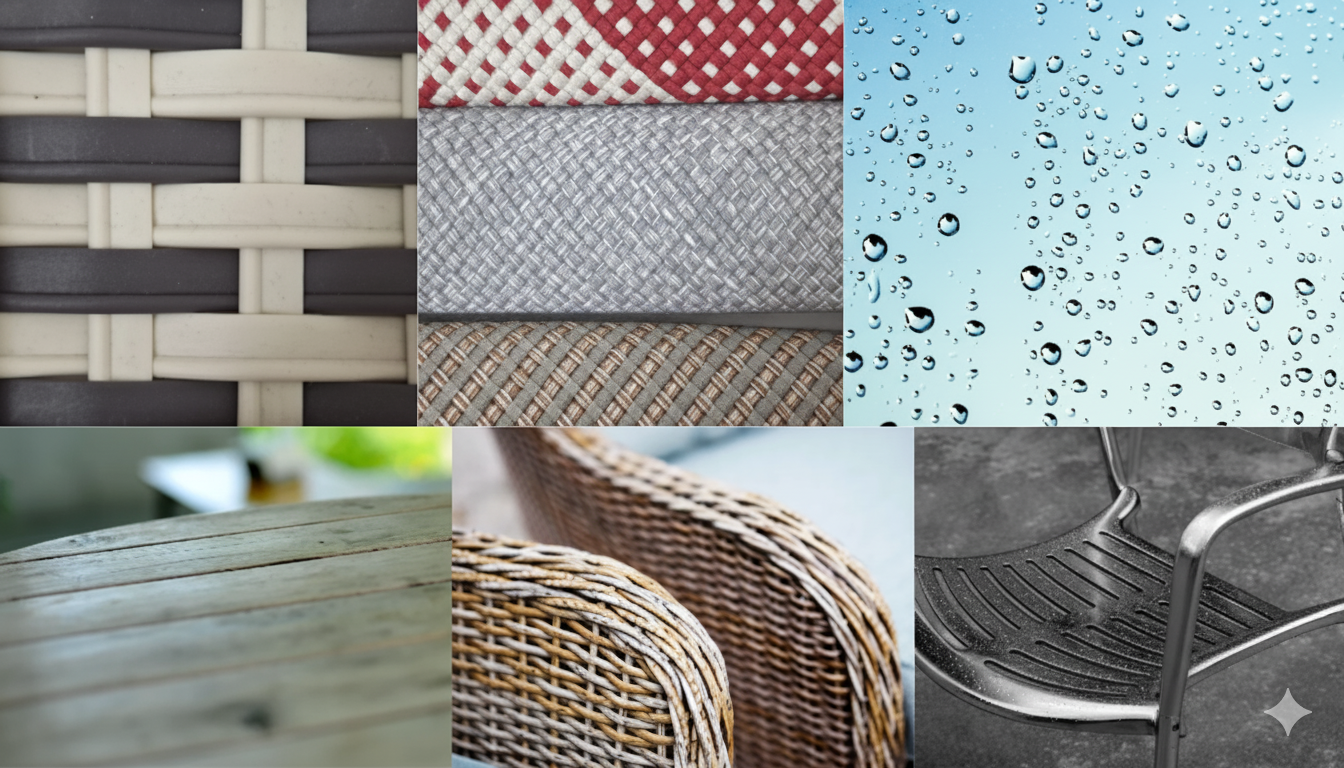
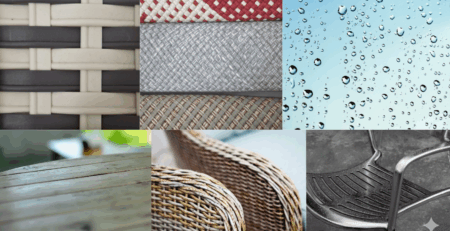
Wicker: Wicker is a weaving technique used to create outdoor furniture from natural materials like bamboo or rattan. Wicker furniture is lightweight, durable, and has a rustic look that works well outdoors. Modern wicker often uses synthetic materials, which can offer increased durability and weather resistance. They are also easier to clean and maintain. When selecting wicker furniture, look for pieces that use high-quality synthetic materials to ensure they can endure various weather conditions while retaining their aesthetic appeal.
Wicker is another popular outdoor furniture material, providing comfort and style.
Plastic: Plastic furniture is affordable and lightweight, making it a popular choice for outdoor use. It is available in a wide range of colors and styles, allowing customizable options to match your decor. While often viewed as less elegant, advanced designs can mimic the look of wood or metal. Consider choosing high-density polyethylene (HDPE) furniture, as it is more durable and resistant to fading, cracking, and peeling in outdoor conditions, ensuring longevity and sustained appearance.
Choosing high-quality plastic as an outdoor furniture material can lead to longer-lasting items in your outdoor area.
Stone: Stone furniture is a durable option for outdoor use. Materials like granite, marble, or concrete can create elegant outdoor pieces. Stone furniture can withstand various weather conditions and is often chosen for its aesthetic appeal and sturdiness. Consider incorporating stone elements in your outdoor area, such as tables or benches that can serve as focal points. Adding cushions can enhance comfort while maintaining the rustic charm of stone.
Stone is a robust outdoor furniture material, and it adds a natural aesthetic to any outdoor setting.
Glass: Glass is a versatile material that can be used in outdoor furniture for its elegant look. Tempered glass is durable and resistant to weather damage, making it suitable for outdoor use. Glass tables can provide a modern touch and can be paired with various materials, such as metal frames or wooden bases. Ensure glass furniture is designed for outdoor use, as it will need to be thicker and treated to resist shattering and UV damage.
Using glass as an outdoor furniture material can provide a sleek and elegant touch to your outdoor space.
Choosing the right material for outdoor furniture is an important decision. It impacts the look, feel, and durability of your outdoor space. By considering the characteristics of each material and your style preferences, you can find the perfect outdoor furniture.
Understanding the qualities of each outdoor furniture material is vital for making the right choice.
When selecting outdoor furniture, consider the environmental impact of the materials. Sustainable options like reclaimed wood or eco-friendly composites provide natural beauty while reducing your carbon footprint.
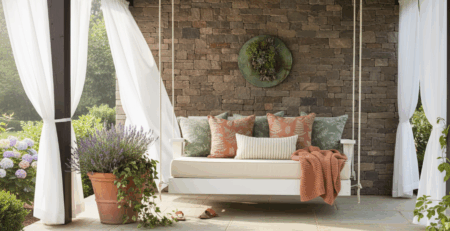
Lastly, accessorizing your outdoor furniture is crucial for creating an inviting space. Consider adding cushions and throws to outdoor sofas and chairs for comfort and style. Outdoor-friendly fabrics that resist fading and moisture will ensure longevity. Incorporating decorative elements like lanterns, potted plants, or art pieces can personalize your outdoor area. Lighting is also important; string lights or solar-powered lamps can create ambiance for evening gatherings. By accessorizing thoughtfully, you can transform simple outdoor furniture into a stunning and functional outdoor retreat.
Accessorizing with the right materials is also essential, ensuring that the outdoor furniture material matches your style.
In addition to materials, consider the layout and arrangement of your outdoor furniture. Effective space planning can enhance both functionality and aesthetics. For example, if you have a small patio, utilizing multi-functional furniture, such as benches with storage or foldable chairs, can maximize your space. Grouping furniture into distinct areas for dining, lounging, and socializing can create a cozy atmosphere. Incorporating elements like outdoor rugs can also define spaces and add a touch of comfort. Thoughtful arrangement not only improves usability but also contributes to the overall vibe of your outdoor area.
Effective layout also involves considering the outdoor furniture material for both aesthetics and functionality.
When selecting outdoor furniture, consider the environmental impact of the materials. Sustainable options like reclaimed wood or eco-friendly composites provide natural beauty while reducing your carbon footprint. Additionally, sourcing materials locally can minimize transportation emissions and support local economies. Researching the sustainability of brands can lead to choices that are not only stylish but also responsible. By making informed choices regarding the materials of your outdoor furniture, you can create a space that is both beautiful and environmentally friendly.
Ultimately, the outdoor furniture material you choose can influence the overall vibe of your outdoor area.




Leave a Reply