

Behind the Scenes: A Look at Cushion Production for Outdoor Furniture
Cushions are an essential part of our everyday lives, providing comfort and support whether we’re lounging on the couch or sitting in a chair. But have you ever wondered about the process involved in producing these fluffy, comfortable accessories? The cushion production process is a fascinating journey that involves a series of steps, from selecting the right materials to cutting, stitching, stuffing, and finishing.
In this article, let’s together with Eco Tech explore the cushion production process in detail and gain an understanding of the complexities involved in creating these cozy companions.
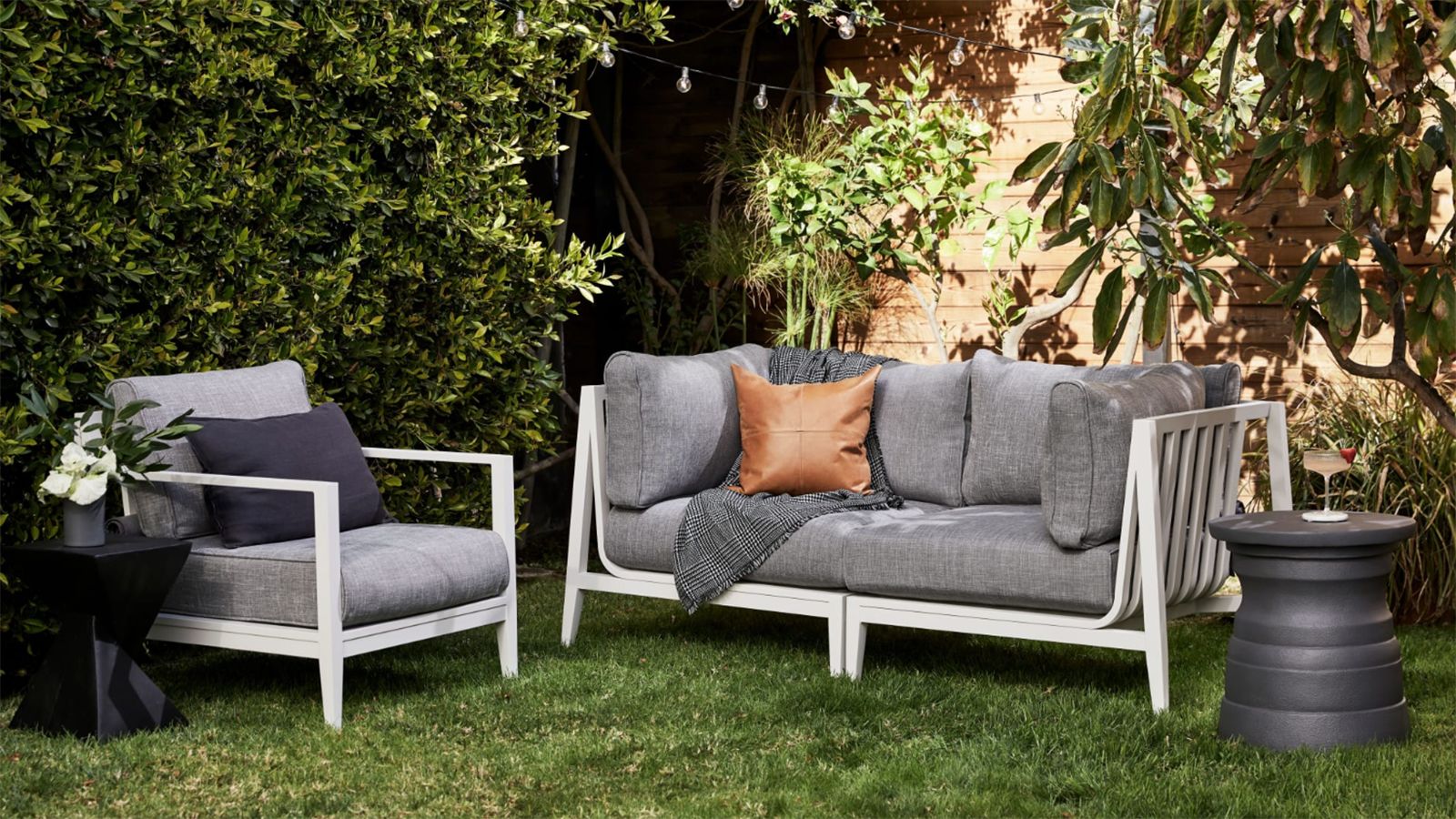
Step 1: Material Selection
One of the first steps in cushion production is choosing the right materials. Cushion factories may work with a variety of materials, including foam, batting, and fabric:
- Foam is often used for cushion cores, and can vary in density and firmness depending on the desired level of support.
- Batting is used to add loft and softness to the cushion, and can be made from materials like cotton or polyester.
- Fabric is, of course, an essential component of the cushion, and cushion factories may work with a variety of materials, including the ones mentioned above.
Step 2: Cutting and Stitching for Cushion Production
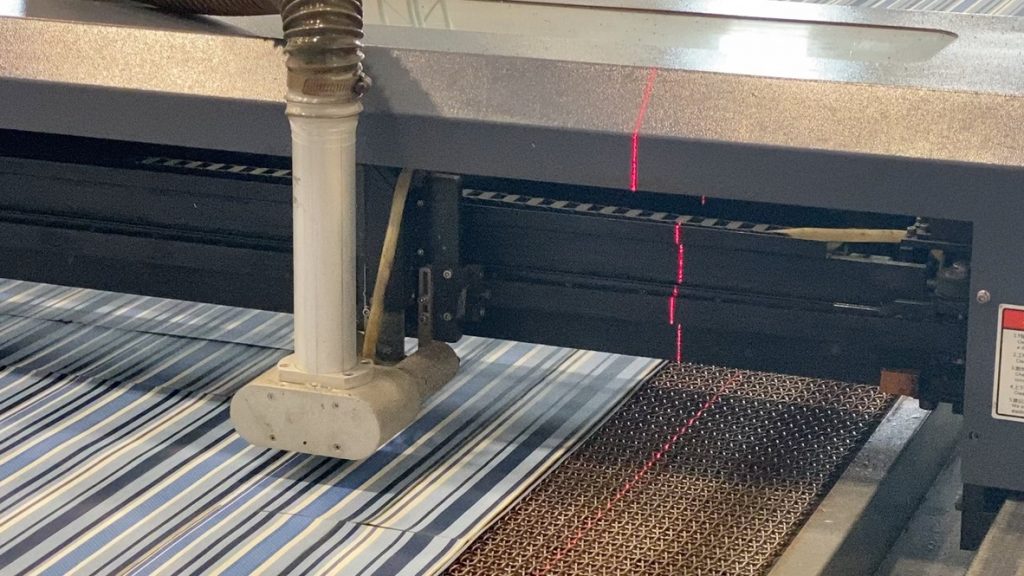
Once the materials are selected, cushion factories use a variety of techniques to produce the cushions. Cutting and sewing machines are used to create the cushion covers, while foam cutting machines can be used to shape the foam for the cushion cores.
The first step in cutting is to measure and mark the fabric according to the required size and shape of the cushion. This is usually done using a template or a cutting guide. Once the fabric has been marked, it is cut using a sharp pair of scissors or a rotary cutter. It is important to ensure that the cuts are clean and straight to avoid any fraying or uneven edges.
Once the pieces of fabric have been cut to size, the next step is to stitch them together. This is usually done using a sewing machine, although it can also be done by hand. The pieces are typically sewn together inside out, leaving an opening for the filling to be added later.
Step 3: Stuffing and Finishing
After the cushion cover has been sewn together, the next step is to stuff it with the desired filling material. The amount of filling used depends on the desired level of firmness and comfort of the cushion.
Workers may use heat and steam to mold the foam into the desired shape, and may add batting or other materials for additional comfort and support. Finally, the cushion is finished by adding any final touches such as buttons, zippers, or decorative elements.
Step 4: Cushion Quality Guarantee
Of course, cushion production isn’t just about creating comfortable and stylish cushions – it’s also about ensuring that the cushions meet safety and quality standards.
Cushion factories must adhere to regulations and guidelines around flammability, toxicity, and other safety concerns, and must perform regular quality control checks to ensure that their products meet these standards.
However, it should be noted that each country may have different regulations to follow. For instance, USA has its own guidelines for cushion production.
Ultimately, whether you’re choosing cushions for your outdoor furniture or learning more about the production process, understanding the materials, techniques, and safety standards are always involved.
Conclusion
In conclusion, the cushion production process is a fascinating journey that involves various steps and requires the expertise of skilled professionals. From selecting the right materials to manufacturing, each step in the process is essential to creating a comfortable and long-lasting cushion.
With modern advancements in technology and new materials, the cushion production process continues to evolve, and manufacturers are constantly looking for ways to improve the quality and durability of their products. So the next time you rest your head on a cushion, take a moment to appreciate the craftsmanship and hard work that went into creating this cozy accessory.


Leave a Reply